
Being the “Only One”: Navigating Cultural Identity as a Minority Athlete
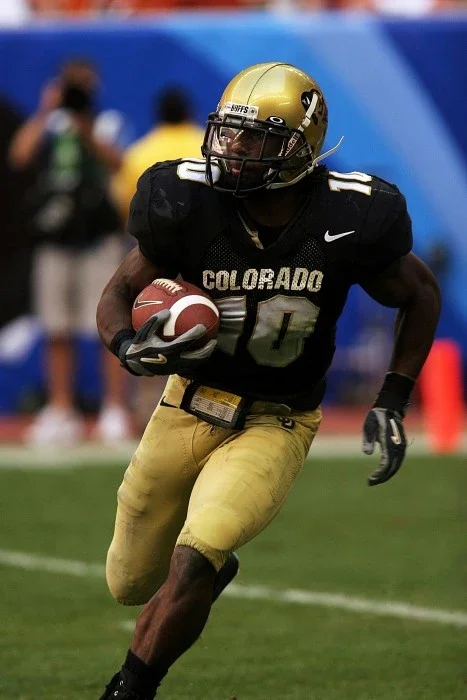
When you’re standing in the locker room with your team or at a game surrounded by your peers, you look around and notice you’re the only one who looks like you. You’re the only one who speaks your language or shares your cultural views. Being a minority athlete comes with a unique set of pressures that go well beyond the basics of the sport or your individual performance.
You’re not just representing yourself on the field. You’re representing your community as a whole, while trying to excel in your sport. Having to navigate this dual experience, showing up for yourself and your culture, can start to feel pretty isolating.
The Unique Pressures of Being the Only One
When you’re representing a sport on behalf of your entire culture, the spotlight can feel overwhelming on a different level. Every mistake will feel more significant. Every success carries more weight. It’s easy to place harsh standards on yourself and to transmit them onto anyone who shares your background.
Pressures can manifest in several ways:
Hypervisibility: Your actions are noticed more because you stand out, making it harder to blend in or have an off day.
Stereotype threat: The fear that your performance will confirm negative stereotypes about your cultural group.
Tokenism: Being asked to speak on behalf of your entire culture or being showcased as proof of diversity.
Code-switching: Constantly adjusting your behavior, speech, or appearance to fit in with more dominant cultures.
These specific pressures layer onto your already existing mental load in ways that your teammates and peers generally don’t understand. They can focus solely on their athletic performance, while you’re managing a greater burden that not only affects your game but also your well-being.
The Silence Around Cultural Differences
Team culture often prioritizes conformity and one voice. There’s this unspoken expectation that everyone operates with the same attitudes and behaviors. Standing out means rocking the boat.
When your background differs from the majority of your team, fitting in can mean hiding parts of yourself. You downplay your accent. You skip important cultural celebrations. Whenever microaggressions occur, you laugh them off to make everyone comfortable and keep the peace on the team.
This silence, however, comes at a cost. Suppressing the unique aspects of your identity will eventually cause an internal conflict. Deep down, it feels like you’re betraying your history to succeed.
Finding Your Voice and Community
Navigating your identity as a minority athlete requires intentional effort. Consider these approaches:
Seek mentorship: Connect with athletes who share a similar background or experiences.
Educate your team: Share aspects of your culture to build a collective understanding, within your comfort zone.
Set boundaries: Recognize that you are not the spokesperson for your entire culture.
Honor your identity: Find ways to maintain your culture along with your athletic commitments.
Build support networks: Connect with communities outside your sport where you can be authentically you.
The Power of Representation
While being the “only one” comes with challenges, your presence outweighs the negatives. You can become a positive role model for others in your community, paving the way for their future successes. Seeing you live your dream gives them a sense of familiarity. Your teammates learn from your perspective, creating positive change. You’re breaking barriers simply by showing up and competing.
With that said, it’s important to understand that you’re not alone in carrying this burden. Nor are you expected to execute it perfectly. You’re only human after all.
Getting Support
Being a minority athlete sometimes means navigating two worlds simultaneously. The athletic world demands different things from your cultural world. Integrating these experiences can help you maintain your authenticity.
If you’re struggling with the isolation of being the “only one” or balancing these two worlds, cultural sensitivity therapy can provide you with the support you need to thrive both on and off the field. Contact us to get the support you deserve.