
Communication That Builds Teams: Verbal and Nonverbal Feedback in Sport
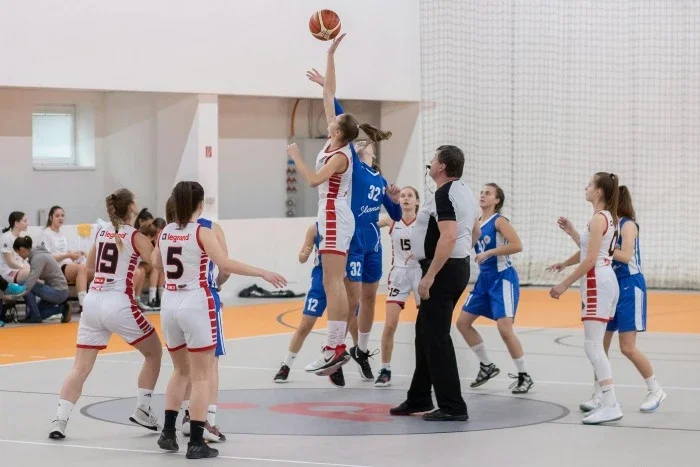
In sports, communication is more than just words exchanged between teammates or coaches. It is the foundation of trust, teamwork, and peak performance. When thinking about communication, verbal feedback is typically the first thing that comes to mind. While this may get a lot of attention, it is the nonverbal communication habits that carry more weight on the field or court.
A coach's posture, a teammate's facial expression, or the way someone positions themselves during a huddle can speak volumes. Understanding both verbal and nonverbal feedback helps athletes and coaches build stronger, more connected teams that perform at their best when it matters most.
The Power of Nonverbal Communication
Nonverbal feedback includes everything from body language and facial expressions to eye contact and physical touch. Roughly 93% of all communication falls under the nonverbal category, meaning what you don’t say often matters more than what you are saying. Athletes pick up on these cues quickly, sometimes without even realizing it.
Body Language Speaks First
Your body language sets the tone well before you ever open your mouth. Coaches who stand tall give off confidence. Those who have open postures convey approachability. Conversely, crossed arms or turned-away bodies signal disinterest, frustration, or anger. Athletes inadvertently mirror this energy, which can either elevate or deflate team morale.
How you physically respond to your teammates can make a difference in the team dynamic. When there’s a miss during a game, a supportive pat on the back can allow them to mentally reset. On the other hand, shaking your head or rolling your eyes gives off disappointment or disgust that speaks much louder than direct criticism.
Facial Expressions Carry Weight
Your face is one of the most expressive parts of your body. A smile is a comforting expression that builds connection. In high-stress moments, it can ease tension. A furrowed brow signals disapproval. Athletes are constantly reading the faces of their teammates and coaches, looking for reassurance and feedback.
Facial expressions can strengthen the team bond during victories. They can also dictate the vibe during setbacks. Maintaining composed, supportive looks helps the team stay focused rather than spiral into anxiety or self-doubt.
Eye Contact Builds Connection
Eye contact is a simple but powerful tool. Making eye contact while giving feedback demonstrates respect. Not only does it communicate that "I see you, and what you're doing matters,” it’s also essential for team cohesion. Avoiding eye contact can feel dismissive or indicate discomfort with the message being delivered.
Balancing Verbal and Nonverbal Feedback
While nonverbal cues are powerful, verbal feedback still plays an important role. The key is alignment. When your words match your body language, your message lands with clarity and impact. When they don't, confusion and mistrust can develop.
Effective verbal feedback should be:
Specific: Focus on particular actions rather than general statements.
Timely: Deliver feedback soon after the moment occurs.
Constructive: Frame criticism in a way that promotes growth.
Balanced: Acknowledge both strengths and areas for improvement.
When verbal feedback is paired with supportive nonverbal cues like open posture, steady eye contact, and calm facial expressions, athletes are more likely to receive it well and apply it moving forward.
Creating a Culture of Positive Communication
Strong teams don't happen by accident. They're built through intentional communication practices that value both words and actions. Coaches and team leaders can model this by staying aware of their nonverbal signals and creating welcoming and respectful environments. Athletes can also take responsibility by noticing how their own nonverbal communication affects the team dynamic.
If your team is struggling with communication or cohesion, effective communication strategies through sport psychology can help. Building awareness around both verbal and nonverbal feedback creates teams that trust each other and perform better together. Contact us to learn more about how our services can help you.