
Conflict Resolution Skills Every Athlete Needs to Navigate Parents, Coaches, and Teachers
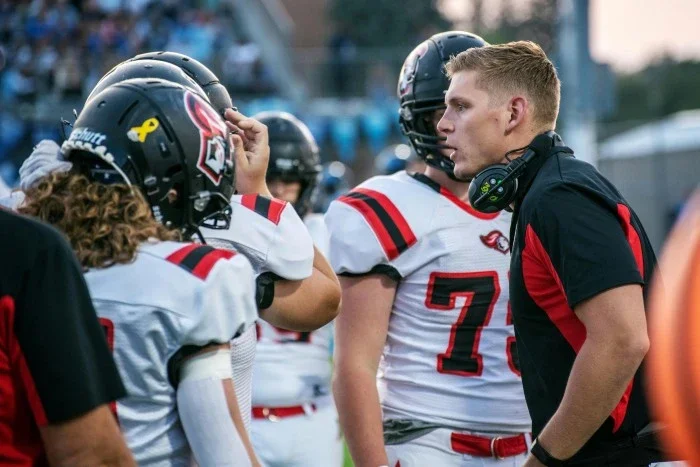
As an athlete, your performance doesn’t stop being measured once you leave the field or court. The relationships you have with your parents, coaches, and teachers play an important role in your success and general well-being. When tensions rise or expectations clash, how you navigate your conflict can dictate your outcomes. Maybe better than any physical skill you develop.
Whether you’re not seeing eye to eye on playing time, disagreeing about priorities, or struggling with conflicting priorities, the ability to resolve disputes constructively can make all the difference in your athletic journey. Conflict resolution skills will not only serve you in your sports career, but also in all areas of your life outside of it.
Why Athletes Face Unique Conflict Challenges
The competitive sports arena as a whole creates a perfect environment for conflict to arise. You’re often working with multiple authority figures, each with their own priorities, expectations, and communication styles. Your parents want you to succeed academically and remain safe while going about your activities. Your teachers expect your focus to be on your coursework and studying. Coaches expect dedication to training and the team. Sometimes, they all can’t happen simultaneously, at least not with equal effort.
When you account for the pressures of performance, the emotional intensity of competition, and the physical exhaustion of training, you get a perfect recipe for conflict. Misunderstandings are a normal byproduct of being pulled in multiple directions.
Essential Conflict Resolution Skills
Active Listening
Conflict naturally occurs in any relationship, generally when people don’t feel heard or understood. Whenever disagreements arise, resist the urge to take over the conversation. Explaining your side may be important, but so is understanding the other person’s perspective. Ask clarifying questions and paraphrase what you’ve heard to confirm your understanding. It’s a simple de-escalation technique that paves the way for productive dialogue.
Clear Communication
Another fundamental piece of conflict resolution is learning how to express your needs and concerns clearly. Some helpful strategies include:
Using “I” statements rather than “you” accusations
Being specific about what’s on your mind rather than making vague statements
Addressing issues promptly rather than letting them fester
Staying focused on the current issue without including past grievances
Emotional Regulation
Sports already established your ability to manage emotions under pressure. When faced with conflict, you’re adding another layer to the mix. Check in with yourself before responding to take inventory of your feelings. If you can’t have a productive conversation, take time to cool down first, then reapproach the situation.
Practical Steps for Navigating Common Conflicts
The next time conflict arises, try taking a few helpful steps.
Choose the right time and place for the conversation. Avoid emotionally charged or high-stress moments.
Approach the conversation with curiosity rather than judgment. Assume there’s a positive intent until proven otherwise.
Focus on solutions rather than dwelling on problems.
Be willing to compromise. Rigid thinking rarely solves a problem.
Building Your Conflict Resolution Toolkit
Developing conflict resolution skills takes practice. Start small by addressing minor issues before they transform into major problems. Seek feedback from trusted people in your support circle about your communication style. Pay attention to how other people handle difficult conversations.
Remember, conflict itself is an opportunity for growth. It’s the unresolved conflict that becomes the enemy. Well-handled disagreements can strengthen your relationship and lead to better outcomes.
Moving Forward
The conflict resolution skills you develop as an athlete will benefit you throughout your life. Whether you’re navigating team dynamics, family relationships, or future workplace challenges, these abilities will serve you well.
If you’re struggling to manage conflict successfully, conflict resolution therapy can provide personalized strategies and support. Don’t let unresolved tensions derail your potential. Contact us for a chat about how we can help.