
What Is Sport Psychology?
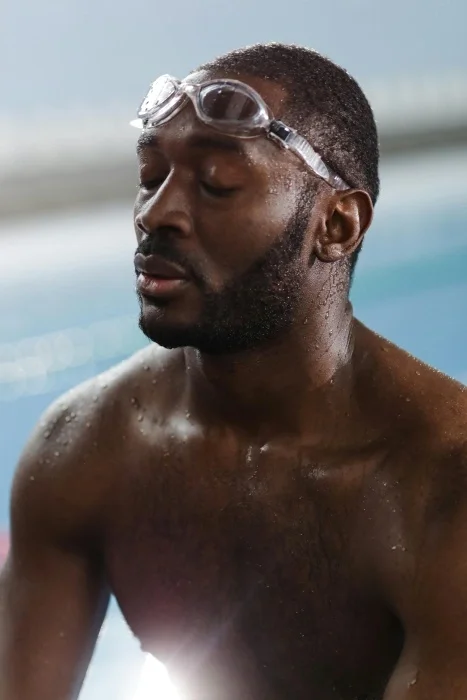
You spend countless hours training. There’s no doubt you put in the work. You know your sport inside and out. But when it comes time to perform, something seems to get in your way.
Suddenly, pre-game jitters get in your way. Doubt creeps in after making a mistake in a previous game. As the pressure builds, you struggle to stay focused.
There’s a huge, often neglected mental component to sports that can be just as challenging as the physical side. That is the starting line where sports psychology comes into play.
What Is Sports Psychology?
Sports psychology is a specialized field that focuses on the connection between psychological factors and athletic performance. It explores how participating in a sport can impact mental well-being. The better understanding you have of how your mind and body are connected, the more you can use that information to improve your performance.
What Does a Sports Psychologist Do?
A sports psychologist works with athletes of all levels, from casual recreational participants to professional competitors. Their goal is to address mental health challenges that create barriers hindering an athlete from reaching his or her full performance potential.
Some common areas they focus on include:
Managing performance anxiety and pre-game nerves
Building confidence and self-worth
Developing deeper focus
Recovering mentally from physical injuries
Setting and achieving realistic goals
Dealing with the pressure from high-stakes situations
Improving motivation and commitment
Handling failures
The focus of treatment isn’t just about fixing specific problems. Just as you would physically train to improve strength and endurance, you also need to strengthen your mental skills. A stronger mindset will support your future performance goals and overall well-being.
The Mental Skills Behind Peak Performance
If you want to excel in a given sport, you're going to put in time practicing physical skills and perfecting the game. What can easily get overlooked, however, is the mental component. Sports psychology introduces practical mental skills that can make a real difference in your performance.
Visualization: Athletes are taught how to mentally rehearse their performance before the event begins. You envision yourself executing your performance perfectly. By engaging in visualization, you’re training your brain to process practice situations just as you would real experiences.
Self-talk: The way you talk to yourself can make more of a difference than you might think. Negative self-talk can turn into self-fulfilling prophecies. Working with a sports psychologist can help you transition your thought processes to something more positive and constructive.
Breathing techniques: Calming your nervous system before a big moment can make the difference between performing at your best and choking.
Sports Psychology Beyond Competition
While one of your goals may certainly be to improve your performance, the benefits of working with a sports psychologist can extend into many other aspects of your life. You’re going to learn how to manage stress, whether in the day-to-day activities or on the playing field. Facing specific challenges will help you naturally build resilience to them in the future.
The skills you develop during sport psychology sessions aren't limited only to athletics. You can apply them broadly, throughout your life, to areas like academic settings, professional careers, and personal relationships. In some instances, you may find yourself exploring deeper issues that are hindering your performance. This is a safe space to work through anxiety, perfectionism, and fear that can all take a toll on your mental health.
Getting Started
If you’re an athlete struggling with mental health or want to improve your mental resilience, working with a sport psychologist can help. There are multiple layers to athletic performance, and sports psychology can give you the tools you need to succeed. Don’t let mental barriers hold you back from reaching your goals. Contact us to learn more.