
Managing Burnout and Stress as an Athlete
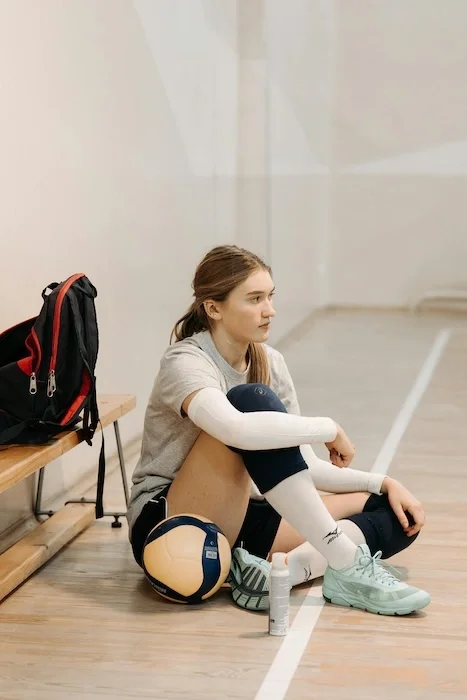
You train hard, pushing yourself to your limits and beyond. You give everything you have to your sport.
But lately, practices and training feel like a chore. Your performance is slipping, and you can’t seem to find the competitive fire anymore. The phenomenon you’re experiencing is athlete burnout, a state of physical and emotional exhaustion that goes beyond normal fatigue.
Feeling burnt out doesn’t mean you’re weak or uncommitted. It’s your body and mind’s way of signaling that something is wrong and changes need to be made. Facing constant pressure to perform, recover, and repeat starts to wear down even the most dedicated athletes. Understanding burnout and learning how to manage it can help you rediscover your passion.
Recognizing Athletic Burnout
Everyone experiences burnout differently, but there are common warning signs to be aware of.
Physical Signs
Your body tells its own story, often speaking before anything else. You may experience chronic fatigue that persists despite adequate rest. Sleep is also difficult, whether it’s lying awake at night or feeling unrested even after sleeping a full night. There may be recurring injuries that come out of nowhere. Your performance plateaus or declines despite keeping to your usual training schedule.
Mental and Emotional Signs
Burnout takes a toll on your mental health, too. What used to be passion now feels like an obligation. Your motivation to train and compete declines. Irritability increases, and you notice yourself snapping at coaches, teammates, and family members. Anxiety with performance becomes overwhelming, creating a cycle of stress.
Common Causes of Athlete Burnout
Understanding what leads to burnout can help you prevent it.
Overtraining without Adequate Recovery
Your body needs proper time to heal and rebuild. Intense training without adequate rest significantly hinders recovery and can quickly lead to your system breaking down. When your body is physically depleted, burnout occurs.
Performance Pressure
Expectations can feel crushing, whether from coaches, teammates, parents, or yourself. Feeling that you need to constantly prove yourself or fearing the loss of your position, scholarship, or professional contract creates an added layer of stress. Over time, this all piles up, making it hard to easily overcome.
Loss of Autonomy
Lack of control can drain the joy and passion from your experience. When your training schedule isn’t aligned with your desires or your nutritional regimen isn’t serving you, it can break the connection with why you started playing in the first place.
Strategies for Managing Burnout and Stress
Addressing your burnout can help you reclaim your passion and drive.
Prioritize rest and recovery. Build rest days into your training schedule and actually take them. This includes physical and mental breaks.
Set boundaries. Learn how to say no and feel comfortable with it. If you’re stretched thin, say no to extra training sessions or other commitments. Prioritize activities outside of sport that also bring you joy.
Communicate with your support system. Speak openly with your coaches, trainers, and family about your feelings. Good coaches will want to help you achieve long-term, not just short-term, success.
Focus on process over outcomes. Shift your attention from winning and results to enjoying the process. Focusing on improvements and the actual art of competition can reduce performance anxiety.
Diversify your identity. You are more than your sport. Spend time participating in hobbies or interests outside of sport. Invest time in your friendships and relationships. Focus on academics. Remind yourself that your worth is tied to many things, not just sport.
When to Seek Professional Support
If you’re struggling with persistent burnout, physical pain, or the mental toll of athletic stress, professional support can make a difference. Injury recovery therapy addresses both the physical and psychological aspects of healing. With the right support, you can work to build resilience and rediscover your love for sport. Reach out to start your recovery journey.